The idea that machines might be able to think is as old as philosophy itself – from Aristotle to Descartes, from Alan Turing to the Dartmouth Conference. Again and again, the fascination with artificial intelligence touches on fundamental questions of what it means to be human: the relationship between reason, consciousness, and control, as well as the meaning of love and freedom.
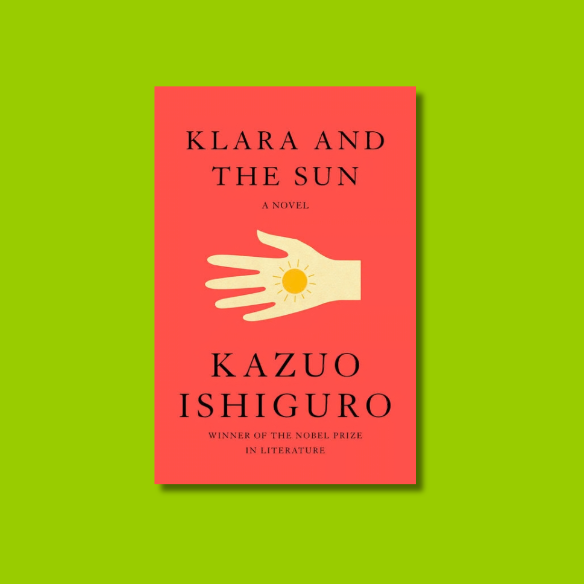
Since the emergence of ChatGPT in 2022, the possibilities and limitations of such systems have been at the center of public debate. All the more interesting, then, to read a novel that appeared before this technological leap, in 2021. Kazuo Ishiguro, winner of the Booker Prize and the Nobel Prize in Literature, imagines in Klara and the Sun a future in which so-called “Artificial Friends” are provided to children as companions to ease loneliness.
At the center of the story is Klara, the AF of the sick girl Josie. Through her precise observations and her simultaneously naive and poetic explanations of the world, she reveals, through gentle yet unflinching language, the people around her and a society shaped by social inequality, anxiety, and loss.
Klara’s companionship with the ill Josie, the family dynamics, and not least the ending of the book form a moving reflection on humanity, love, loneliness, and the question of what consciousness actually is – and therefore how we might choose to deal with artificial intelligences.
Klara and the Sun is not a technological thriller, not a dystopian warning, and not science fiction full of spectacle. It is a quiet, poetic novel about empathy, loneliness, and the question of what makes us human, and whether machines might one day share in it. In this way, Ishiguro creates a deeply moving parable about consciousness and affection that lingers long after the final page. Especially today, it is a book well worth reading.